
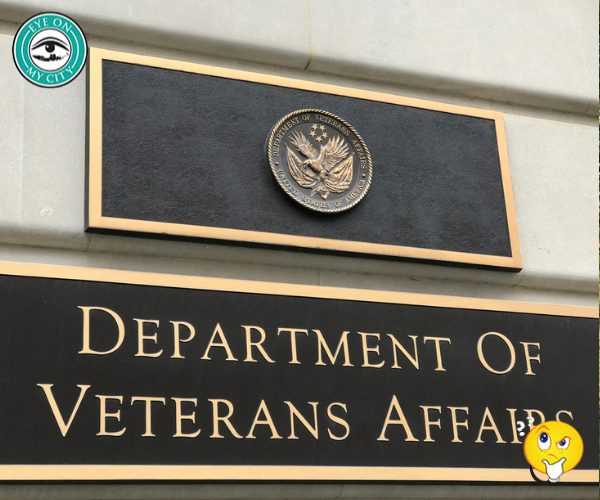
A quiet policy change coming out of Washington is raising serious questions about the rights of America’s veterans.
The U.S. Department of Veterans Affairs and the U.S. Department of Justice recently announced an agreement allowing federal attorneys to participate in guardianship proceedings involving veterans in state courts. Guardianship can transfer control of a person’s finances, medical decisions, and daily life to another individual — and in some cases remove fundamental civil liberties.
That raises an uncomfortable question: Why does the VA need guardianship power when it already has authority over veterans’ benefits through its fiduciary program?
Guardianship?
If you’ve followed our reporting on probate courts and guardianship systems, you already know why that word should make Americans cringe.
Because guardianship is one of the only legal processes in this country where a person can lose nearly all of their civil rights — without ever being accused of a crime.
Yes, guardianship can be necessary in certain circumstances. But it can also remove a person’s ability to:
- control their finances
- make medical decisions
- choose where they live or travel
- enter contracts
- control their own legal affairs
In essence, a court can transfer your life decisions to someone else.
And now the federal government wants a seat at that table.
Wait… Doesn’t the VA Already Have Authority?
Here’s where the announcement becomes even more puzzling.
The VA already operates the VA Fiduciary Program, which allows the agency to appoint a fiduciary to manage a veteran’s benefits if the VA determines the veteran cannot handle their finances.
In other words, the VA already has the authority to step in and control:
- disability payments
- pension income
- other VA benefits
So the obvious question is:
If the VA already has the power to manage a veteran’s benefits through fiduciaries… why does it now need the power to help place veterans under guardianship too?
That’s a much larger level of control.
Because once guardianship enters the picture, the authority may extend far beyond benefits and into every aspect of a person’s life.
A System With Very Little Transparency
Guardianship systems across the country already operate with limited national oversight.
Even the Government Accountability Office has noted that the United States lacks consistent national data on guardianship cases. This is something we have written about and asked for help from the federal government already and now they want to add more people to a “data-less” program.
Today we cannot reliably answer basic questions such as:
- How many Americans are currently under guardianship?
- How many veterans have guardians appointed over them?
- How many ever regain their rights?
That should concern everyone.
Why This Deserves Congressional Oversight
Because of the seriousness of this development, Eye on Jacksonville will be reaching out to the office of Rick Scott to request that this issue be reviewed by the United States Senate Special Committee on Aging.
Guardianship can remove fundamental civil liberties. Expanding federal involvement in such proceedings deserves careful examination by Congress.
The core question is simple:
If the federal government helps place a veteran under guardianship, who tracks what happens next?
Does anyone monitor whether the guardianship remains necessary?
Does anyone track whether the veteran ever regains their rights?
Or do these cases disappear into thousands of local probate courts across the country?
Think About the Long-Term Consequences
Supporters will likely argue that this new authority is meant to help vulnerable veterans — and in many cases, that may be true.
But policies should always be examined not only for how they may be used today, but how they could be used tomorrow.
Government power rarely shrinks once it is granted.
And that raises a sobering question:
What happens if a future administration — one less friendly toward veterans — inherits this new authority?
Could that administration use the guardianship system more aggressively?
Could it expand the use of guardianship in ways that undermine veterans’ independence and rights?
These are questions that deserve answers before new powers are exercised.
Our Veterans Fought for Freedom
There is one truth that should guide this conversation.
Our veterans fought to defend freedom overseas. They should not come home and risk losing their own rights in an American courtroom.
Guardianship may sometimes be necessary. But because it has the power to remove fundamental rights, expanding its use — especially involving the men and women who fought for this country — deserves careful scrutiny.
Because protecting veterans should never mean quietly taking away the freedoms they fought to defend.