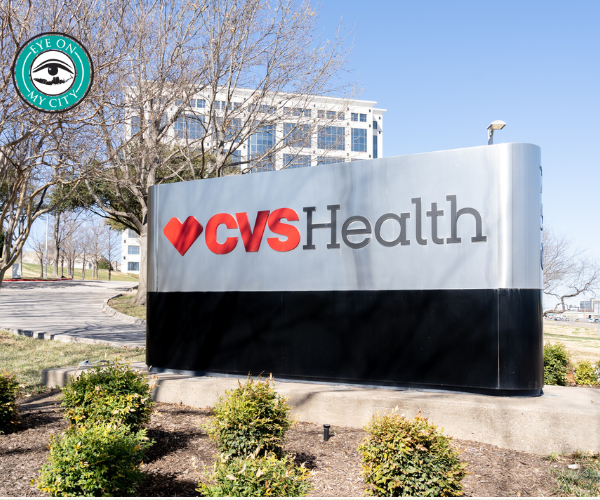
On June 23, Attorney General James Uthmeier announced a civil investigative demand (essentially a subpoena) targeting CVS Health Corp., one of the nation’s largest healthcare giants. The intent is to examine whether CVS’s powerful pharmacy benefit manager (PBM) arm is harming independent pharmacies and patients across the state.
What are PBMs and Why Do They Matter?
Pharmacy Benefit Managers are the middlemen who manage prescription drug benefits for insurers, employers, and government programs. They decide which drugs are covered, where patients can fill prescriptions, how much pharmacies get paid, and how much patients pay out of pocket. The three largest PBMs control 80% of all prescriptions filled in the U.S. CVS Health is unique because it wears two hats: it owns a massive PBM and the largest chain of retail pharmacies in the country. This vertical integration raises concerns that CVS can favor its own pharmacies while disadvantaging independent competitors.
The Core Concerns
Uthmeier’s investigation focuses on several practices that critics say can squeeze independent pharmacies and can lead to higher costs and/or reduced access for patients:
- Patient steering– Directing customers toward CVS’s own retail or mail-order pharmacies rather than local independent pharmacies.
- Spreadpricing– When the PBM charges insurers or employers more for a drug than it pays the pharmacy. For example, charging $100 for a medicine, but paying the pharmacy only $40, keeping the difference as profit.
- Unequal reimbursement– Paying CVS-owned pharmacies significantly more than independent ones for the same drug- sometimes so little that independents lose money on certain prescriptions.
- Aggressive audits and clawbacks — Reviewing past claims months later and demanding money back from independent pharmacies for trivial discrepancies.
- Restrictive contracts– Terms that limit how independent pharmacies can operate or compete.
The fear is that these practices could drive independent pharmacies out of business, creating “pharmacy deserts” where residents, especially in rural or underserved areas, struggle to get access to affordable drugs.
The attorney general gave CVS until July 28 to turn over thousands of documents and testimony related to these issues. Uthmeier emphasized that the investigation is ongoing and no conclusions have been reached.
Broader implications for Florida
Florida has over a thousand independent pharmacies and nearly 800 Walgreens locations. These businesses have publicly warned for years that unfavorable PBM reimbursement rates threaten their survival. Without both the independent and Walgreens pharmacies, Florida residents will face fewer options, higher costs, and poorer service.
Recommendations for stronger action
While the investigation is a positive step, additional measures are needed:
• Expand the scope: Include input from both independent and Walgreens Pharmacies and have them produce any documents that are consistent with the core concerns listed above.
• Realistic timelines: The Federal Trade Commission was unable to obtain the documents it requested from the major PBMs over a two-year time period. Florida will likely need more time to obtain the necessary documents.
• Legislative backup: Work with the governor and state lawmakers to pass protections against predatory PBM practices if the evidence warrants it.
• Federal coordination: Ensure that the Florida delegation supports the Pharmacists Fight Back Act (H.R. 6609), which would ban spread pricing, require rebates to be passed through to patients, and ensure fairer payments to pharmacies. Rep. Byron Donalds would be an important sponsor of H.R. 6609, as he is on the House Oversight Committee.
• Public engagement: Create ways for Floridians to report issues such as being steered away from their preferred pharmacy or struggling to afford prescribed medications.
Protecting patients and local pharmacies
Uthmeier’s investigation shines a much-needed spotlight on a complex but critical part of America’s healthcare system. By examining whether vertically integrated companies like CVS Health Corp. are using their market power responsibly, Florida is standing up for independent pharmacies, fair competition, and, most importantly, the patients who rely on them.
Floridians deserve convenient access to affordable medications without hidden practices that drive up costs or reduce choices. This investigation is an important first step toward greater transparency and fairness in the prescription drug marketplace.





One Response