Florida voters will face three proposed constitutional amendments on the November ballot, and taxes and state finances are front and center.
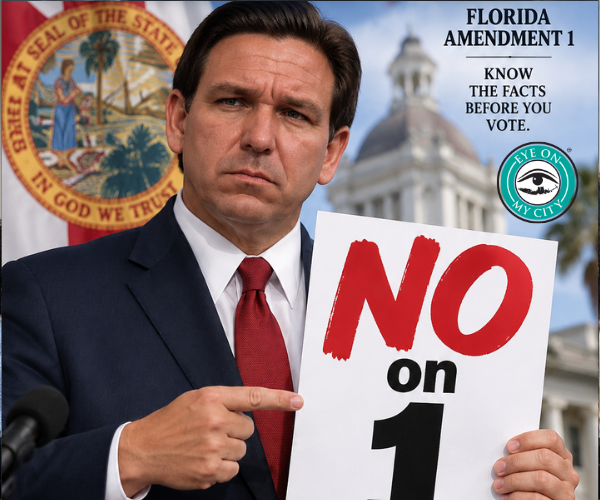
But before voters get to the big property-tax proposal in Amendment 3, there is Amendment 1 — and Gov. Ron DeSantis has made it crystal clear where he stands.
He is a NO.
Amendment 1 deals with Florida’s Budget Stabilization Fund, better known as the state’s “rainy day fund.” Currently, the Florida Constitution caps the fund at 10 percent of general revenue collections. Amendment 1 would increase that ceiling to 25 percent.
It would also require the Legislature to transfer the lesser of $750 million annually or the amount necessary to bring the fund up to that 25 percent level. There are exceptions allowing lawmakers to suspend transfers or withdraw funds under specified circumstances, including emergencies, revenue shortfalls and certain critical state needs.
Supporters argue that the larger reserve would give Florida greater protection against hurricanes, recessions and other emergencies.
The Republican Party of Florida recently endorsed Amendment 1, saying the proposal would strengthen the rainy day fund so Florida could handle emergencies without raising taxes or raiding other parts of the budget.
That endorsement produced an unusually public disagreement with Florida’s Republican governor.
DeSantis responded directly to the party’s post on X:
“This is a foolish constitutional amendment proposal. We already have a maxed out rainy day fund and have run the largest surpluses in state history.”
He went on to argue that additional revenue should instead be available for lower taxes, including grants that could help local governments reduce property taxes on homesteaded property. He also suggested surplus revenue eventually could be used to remove tolls.
His conclusion was unmistakable:
“I recommend a NO vote.”
So why is DeSantis opposing it?
His argument comes down to a basic question: How much money should Florida keep in reserve, and what should the state do with additional surplus revenue?
Florida is not currently facing empty coffers.
When DeSantis signed the 2026-27 state budget in June, his office reported that Florida would have nearly $18 billion in total reserves and said the Budget Stabilization Fund had reached its existing constitutional limit.
That helps explain the governor’s position.
Rather than constitutionally requiring hundreds of millions of additional dollars to flow into a larger reserve fund each year, DeSantis wants lawmakers to retain the flexibility to direct surplus dollars toward tax relief and other taxpayer savings.
Supporters of Amendment 1 see the issue differently. They argue that Florida should take advantage of strong financial years to prepare for the next recession, hurricane or unexpected fiscal crisis. Former House Speaker Daniel Perez, for example, pointed to Florida’s experience during the Great Recession as a reason for building larger reserves.
And Amendment 1 was hardly a fringe proposal inside the Legislature. Lawmakers voted overwhelmingly to place it before voters — 100-1 in the Florida House and 29-4 in the Senate.
So this presents Florida voters with an interesting disagreement among Republican leaders.
The Legislature and the Republican Party of Florida support putting substantially more money into the state’s emergency savings account.
DeSantis says Florida already has substantial reserves and believes additional surplus dollars should remain available for tax relief.
The Florida Republican Party has endorsed it.
The Republican-controlled Legislature overwhelmingly put it on the ballot.
And Gov. Ron DeSantis is firmly opposed.
Because this would amend the Florida Constitution, Amendment 1 must receive at least 60 percent of the statewide vote to pass.
Florida voters will make that decision on November 3.