
We can use some good judicial news about computers and our relationships with digital devices. The 11th Circuit lifted a stay, allowing Florida to crack down on social media and gaming platforms aimed at young children.
In March, 2024, Florida passed a law requiring social media companies to verify user ages and prohibit kids under 14 from creating accounts, with parental consent required for kids aged 14-15. Existing accounts without age verification must be automatically terminated. It also requires platforms to terminate a minor’s account and delete all personal information upon request of the minor or their parent.
Industry groups representing child-focused, predator-infested platforms like Roblox and Discord sued, and they got the law stayed by a federal district judge.
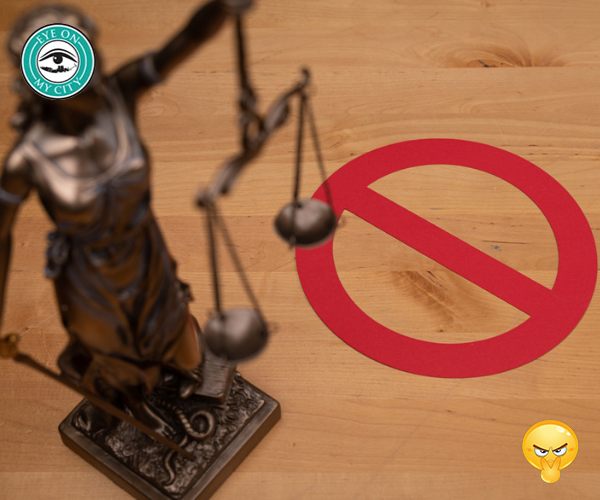
Here’s the good news: The 11th Circuit Court of Appeals unstayed the law. Now Florida can finally start enforcing it while the case continues. But in the process, the judges also opined that Florida was likely to win the case, which was very bad news for the plaintiffs. “We conclude,” the judges wrote, “that HB3’s limited restrictions likely satisfy the intermediate scrutiny test for content-neutral regulations, so the Attorney General has made a strong showing he is likely to succeed on the merits.”
Florida’s law contained an interesting innovation absent from other states’ attempts to do the same thing. Rather than banning outright all platforms that kids use (such as their school portals and streaming movie services), the law defines certain “addictive” features, such as use by an average child of two or more hours per day along with things like “endless scrolling.”
Florida’s new Attorney General rightfully celebrated the win on Twitter:

Florida has led the nation in parental rights, while California has gone the other way. Under California’s laws, minor children are essentially treated as partly wards of the state. Bureaucrats share decision-making powers with parents, but without any of the responsibilities of housing, feeding, driving them around, or updating them on how much longer the car ride will be.
Hopefully, more states will follow Florida’s example.